

Reloaded News Desk
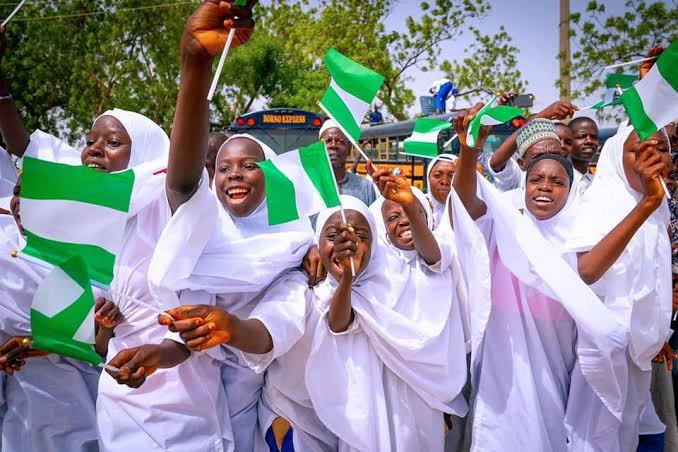
On October 1, 1960, Nigeria became an independent nation.
Sixty-six years later, the Nigerian story is one of extraordinary diversity, resilience, achievement, struggle and possibility.
There are serious challenges to confront. But Independence Day is also an opportunity to remember what Nigeria has achieved, what Nigerians have contributed to the world and why there remains good reason to believe in the country.
Here are 66 reasons to celebrate Nigeria at 66:
1. We are still one nation.
Despite decades of political, economic and social challenges, Nigeria has remained a sovereign country since Independence.
2. Nigeria survived the Civil War.
The country endured one of the most devastating chapters in its history and emerged as one nation.
3. Democracy has endured.
Since the return to civilian rule in 1999, Nigeria has maintained an uninterrupted democratic era.
4. Nigerians continue to participate in democracy.
Elections, political parties, legislatures, courts and civic organisations remain part of national life.
5. Nigeria has produced generations of leaders.
From politics to business, academia, diplomacy and civil society, Nigerians have continued to take responsibility for the country’s future.
6. Nigerians are remarkably resilient.
Economic hardship, insecurity and other difficulties have repeatedly tested Nigerians, yet communities continue to adapt and move forward.
7. Nigeria has a huge home market.
Our population provides an enormous market for entrepreneurs, manufacturers, investors and service providers.
8. Nigeria remains a major African economy.
Its scale, resources and human capital give it substantial economic importance on the continent.
9. Nigeria has a vibrant private sector.
Businesses large and small continue to create employment, provide services and drive economic activity.
10. Nigerian entrepreneurs keep building.
From small businesses to multinational companies, Nigerians continue to create enterprises in difficult environments.
11. Nigerian businesses are expanding internationally.
Companies founded by Nigerians increasingly operate across African and global markets.
12. Nigeria is a technology hub.
The country has developed one of Africa’s most active technology and startup ecosystems.
13. Nigerian fintech has changed everyday life.
Digital payments and financial technology have transformed how millions of Nigerians transfer and receive money.
14. Nigerian technology talent is globally competitive.
Developers, designers, engineers and other technology professionals from Nigeria work for companies and clients around the world.
15. Nigerian startups have attracted global attention.
Technology companies founded in Nigeria have attracted international investors and customers.
16. Nigeria’s creative economy is globally influential.
Music, film, fashion, literature and visual arts have carried Nigerian culture far beyond the country’s borders.
17. Afrobeats has become a global phenomenon.
Nigerian musicians have helped transform African popular music into a major international cultural force.
18. Nigerian musicians now fill major international venues.
Artists from Nigeria regularly perform before audiences across Africa, Europe, North America and beyond.
19. Nollywood has changed African cinema.
Nigeria’s film industry has become one of the world’s most prolific and recognisable.
20. Nigerian stories travel.
Our filmmakers increasingly tell Nigerian stories to international audiences.
21. Nigerian literature commands global respect.
Nigerian writers have produced works that have influenced global conversations about Africa, identity, history and society.
22. Nigerian writers have earned major international recognition.
The country’s literary tradition continues to produce globally celebrated authors and thinkers.
23. Nigerian art has found international audiences.
Contemporary Nigerian artists are increasingly represented in major galleries, exhibitions and collections.
24. Nigerian fashion is gaining global visibility.
Designers are blending Nigerian heritage with contemporary styles for audiences at home and abroad.
25. Nigerian food is travelling with Nigerians.
Jollof rice, suya, pounded yam, egusi and other Nigerian dishes are increasingly familiar beyond our borders.
26. Nigeria is extraordinarily diverse.
Hundreds of ethnic groups, languages, traditions and communities contribute to the country’s identity.
27. Our languages remain part of our strength.
Hausa, Yoruba, Igbo and hundreds of other Nigerian languages preserve histories, cultures and identities.
28. Nigerian traditional institutions preserve heritage.
Kings, emirs, chiefs and other traditional institutions remain important custodians of culture and history.
29. Nigeria has extraordinary cultural festivals.
Across the country, festivals continue to preserve traditions while attracting visitors and creating economic activity.
30. Nigerian hospitality is widely recognised.
The warmth and social character of Nigerians remain an important part of the country’s identity.
31. Nigerians have made important scientific contributions.
Scientists and researchers of Nigerian origin continue to contribute to knowledge in Nigeria and internationally.
32. Nigerian universities have educated generations.
Despite their challenges, our universities have produced professionals who serve Nigeria and the wider world.
33. Nigerian doctors serve globally.
Nigerian medical professionals have built careers in hospitals and health systems across the world.
34. Nigerian nurses and other health workers make a difference.
Their skills and dedication contribute to healthcare both at home and internationally.
35. Nigerian engineers build and maintain critical systems.
From construction to telecommunications, energy and manufacturing, engineering talent remains central to national development.
36. Nigerian teachers continue the work of nation-building.
Every profession depends on teachers who educate the next generation.
37. Nigerian students continue to compete internationally.
Young Nigerians regularly demonstrate talent in academic, scientific, technological and creative competitions.
38. Nigerian athletes continue to inspire.
From athletics to boxing and other sports, Nigerians have produced memorable performances on the international stage.
39. Football remains a national passion.
Few things bring Nigerians together emotionally like football.
40. The Super Eagles remain a symbol of national identity.
Nigeria’s national football team has created generations of unforgettable moments.
41. Nigerian women continue to break barriers.
Women are making important contributions across business, politics, science, medicine, law, technology, sport and the creative industries.
42. Nigerian youth represent enormous potential.
A young population means Nigeria possesses a huge reservoir of energy, ideas, creativity and ambition.
43. Young Nigerians are building businesses.
Across technology, agriculture, fashion, entertainment, logistics and commerce, young entrepreneurs are creating opportunities.
44. Nigerians abroad remain connected to home.
The Nigerian diaspora continues to contribute knowledge, investment, skills and ideas to the country.
45. Remittances support millions of Nigerian households.
Money sent home by Nigerians abroad remains an important source of support for families and communities.
46. Nigerians organise to solve local problems.
Neighbourhoods, community groups and civil society organisations regularly step forward where solutions are needed.
47. Faith communities contribute to society.
Churches, mosques and other faith-based organisations play important roles in education, charity and community support.
48. Nigeria has enormous agricultural potential.
Our land, climate and diverse ecological zones provide opportunities for food production and agribusiness.
49. Nigeria possesses abundant natural resources.
Oil, gas, solid minerals and other resources provide a substantial foundation for economic development.
50. Nigeria remains a major oil and gas producer.
The petroleum industry continues to play an important role in national revenue and the economy.
51. The economy is broader than oil.
Agriculture, manufacturing, telecommunications, trade, financial services, technology and other sectors contribute significantly to economic activity.
52. Nigeria has enormous renewable-energy potential.
Solar and other renewable resources provide opportunities to expand electricity access and support economic activity.
53. Nigeria has an enormous consumer economy.
Millions of consumers create opportunities for manufacturers, retailers, service providers and innovators.
54. Nigeria is strategically positioned in West Africa.
Its population, economy, geography and institutions give it significant regional importance.
55. Lagos is an African commercial powerhouse.
The city remains one of the continent’s most important centres for finance, commerce, technology, entertainment and creativity.
56. Abuja is an important diplomatic centre.
Nigeria’s capital hosts national institutions and diplomatic missions representing countries from around the world.
57. Nigerian cities continue to evolve.
Across Lagos, Abuja, Ibadan, Kano, Port Harcourt, Benin City, Enugu, Kaduna, Osogbo and other cities, new businesses and communities continue to emerge.
58. Nigeria has a powerful entrepreneurial culture.
The ability to identify opportunities and create businesses remains one of the country’s defining characteristics.
59. Nigerians are problem-solvers.
When formal systems fail or resources are limited, Nigerians often find practical ways to keep things moving.
60. Nigeria has repeatedly adapted to change.
From the agricultural economy of the early post-Independence years to oil, telecommunications, digital finance and today’s technology economy, the country has continually evolved.
61. Nigeria has contributed to peacekeeping in Africa.
The country has played important roles in regional peace and security efforts over the decades.
62. Nigeria has maintained international relevance.
The country remains active in major international and multilateral institutions.
63. Nigeria has influenced Africa beyond its borders.
Its people, ideas, music, films, businesses and diplomatic engagements continue to shape conversations across the continent.
64. Nigerians still believe in possibility.
Despite the frustrations of everyday life, millions continue to work, build businesses, educate their children and invest in the future.
65. Every generation has added to the Nigerian story.
From the generation that fought for independence to those building today’s digital economy, each generation has left something behind.
66. Nigeria’s story is not finished.
Perhaps the greatest reason to celebrate is that 66 years after Independence, the country still has enormous room to grow, improve and fulfil its potential.
Nigeria at 66 is not a perfect country.
It is a country still being built.
It is a country of contradictions: enormous resources and widespread needs; extraordinary talent and persistent institutional challenges; global achievements and very local struggles.
But Independence Day is not only about measuring what Nigeria has failed to become.
It is also about recognising what Nigerians have achieved, the distance travelled and the possibilities that remain.
Sixty-six years after Independence, Nigeria is still here.
Still creating.
Still struggling.
Still adapting.
Still dreaming.
And still building.
Happy Independence Day, Nigeria.
Comrade Adeboye Adebayo Is A Nigerian Who Believes So Much In Nigeria
NEWS THAT INFORMS, MEDIA THAT TRANSFORMS