

Tinubu’s Government Approves Modernisation of Onne, Rivers, Delta, Calabar Ports to Ease Lagos Cargo Pressure

Reloaded News Desk
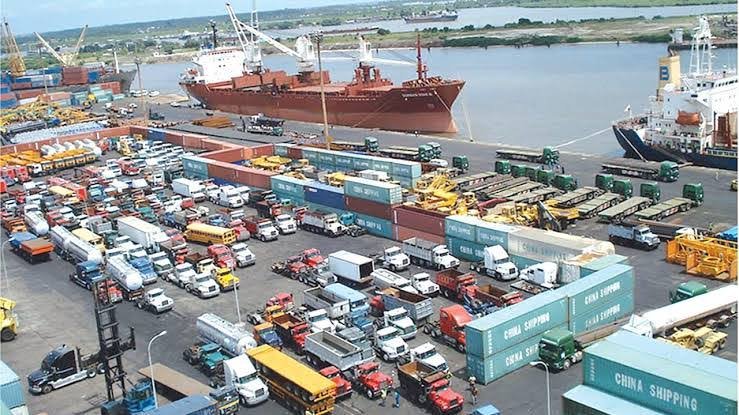
The Federal Government has approved the comprehensive modernisation and upgrade of four major ports in southern Nigeria as part of efforts to expand the country’s maritime infrastructure and reduce the concentration of cargo traffic in Lagos.
The affected ports are Onne Port in Rivers State, Rivers Port, Delta Port and Calabar Port.
The Minister of Marine and Blue Economy, Adegboyega Oyetola, disclosed the development in a statement posted on his official X handle on Sunday.
Oyetola said the approval forms part of the Federal Government’s broader effort to improve Nigeria’s maritime infrastructure and strengthen the country’s capacity to handle cargo across multiple ports.
The plan is expected to support a more distributed maritime system in which cargo can move through ports closer to its final destinations instead of being heavily concentrated around Lagos.
For businesses operating in the eastern and southern parts of the country, the modernisation could also reduce dependence on Lagos-based ports and potentially shorten inland cargo movements.
The four ports occupy strategic positions within Nigeria’s maritime network.
Onne is a major oil and gas logistics hub and has long served the Niger Delta and the country’s offshore energy industry. Calabar provides a maritime gateway to Cross River and the wider south-east corridor, while Delta Port serves the Warri axis and surrounding industrial and commercial areas.
Rivers Port, meanwhile, remains an important component of the maritime infrastructure serving the Port Harcourt area.
The Federal Government’s decision comes as Nigeria seeks to derive greater economic value from its maritime sector under the Ministry of Marine and Blue Economy.
The administration has been pursuing reforms aimed at improving port efficiency, attracting investment, increasing cargo throughput and positioning Nigeria to capture a larger share of maritime trade along the Gulf of Guinea.
The concentration of cargo traffic in Lagos has remained a longstanding concern for businesses and transport operators because of the pressure it places on port infrastructure, roads and logistics networks.
Expanding the capacity and efficiency of other ports could provide alternative cargo routes and reduce pressure on the Lagos port complex.
The impact, however, will ultimately depend on the scope of the approved modernisation programme, the financing arrangements, the speed of implementation and improvements to the road and rail connections linking the ports with major markets.
For the four ports, the approval represents a significant step, but the economic benefits will be determined by how quickly the modernisation moves from government approval to physical infrastructure, efficient operations and increased cargo handling.