

Reloaded News Desk
Nigeria’s campaign for a permanent seat on the United Nations Security Council is entering a more complicated phase as African countries intensify their collective demand for permanent representation while the question of which countries would occupy the proposed seats remains unresolved.
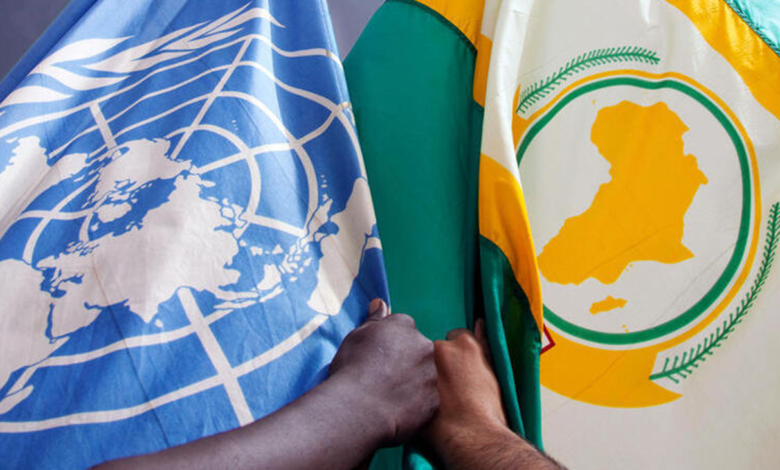
The African Union’s established position is that the continent should receive no fewer than two permanent seats and five non-permanent seats on an expanded Security Council.
The proposed permanent members would have the same prerogatives as existing permanent members, including the veto for as long as the veto remains part of the Council’s structure.
But the African position does not name the countries that would eventually occupy those seats.
Under the reform framework currently being discussed at the United Nations, Africa has reserved the right to select its own representatives according to the African Model, the Ezulwini Consensus and the Sirte Declaration. Those candidates would subsequently be considered for election by the General Assembly.
That leaves Nigeria facing two separate diplomatic questions: whether the Security Council will be expanded and, if it is, which African countries will be chosen to occupy the permanent seats.
Nigeria’s Case
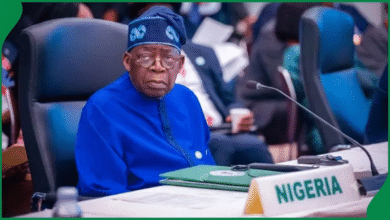
Nigeria has openly declared its ambition to secure a permanent place on the Council.
At previous UN reform discussions, Nigeria argued that Africa’s population, contribution to international peace and security and longstanding involvement in UN peacekeeping justify permanent representation.
Nigeria has also backed the African Model calling for at least two permanent African seats and five non-permanent seats, with veto rights for the permanent African members for as long as the veto exists.
In a UN Security Council reform discussion, Nigeria said the continent’s contribution to peacekeeping and the large proportion of Council-related issues involving Africa strengthened the case for permanent African representation.
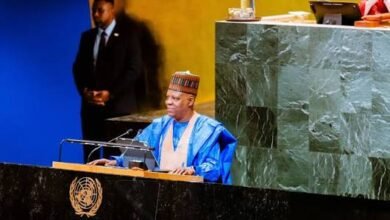
The Federal Government has again placed the Security Council campaign among Nigeria’s priorities at the 81st UN General Assembly.
Vice President Kashim Shettima is leading Nigeria’s delegation to this year’s General Assembly, where global institutional reform is among the issues being pursued by Abuja.
But Nigeria Is Not The Only African Power Making The Case
South Africa is also actively campaigning for permanent African representation.
Pretoria’s Permanent Representative to the UN, Ambassador Mxolisi Sizo Nkosi, said ahead of the current General Assembly that South Africa was using the ongoing intergovernmental negotiations to advance the African Union’s position.
South Africa argues that Africa’s demographic, economic and geopolitical importance, together with the continent’s direct involvement in global peace and security issues, warrants permanent representation.
South Africa’s position is significant because the country is one of Africa’s major diplomatic and economic powers and has itself served on the Security Council as an elected member.
But South Africa’s current public position is focused on advancing the African Model rather than publicly endorsing Nigeria as one of the eventual permanent members.
Egypt And Other Major African Powers
Egypt is another major African diplomatic power that has consistently supported permanent African representation and the AU’s Ezulwini position.
Ethiopia and Kenya have also been prominent in the broader campaign for greater African representation in global institutions.
At the current UN General Assembly, Kenyan President William Ruto argued that Africa’s exclusion from permanent representation cannot continue, while Ethiopian President Taye Atske Selassie questioned how a continent of about 1.6 billion people could remain without equal representation at the Council’s highest level.
Their positions strengthen the continental campaign.
But support for African representation is not the same as support for Nigeria’s individual candidacy.
The Missing Endorsement
So far, there is an important distinction in the diplomatic record.
African countries are publicly supporting the principle that Africa should obtain permanent Security Council seats.
The African Union itself remains united behind that position.
But there is no current AU decision naming Nigeria, South Africa, Egypt or another country as one of the eventual representatives.
There is also no authoritative public declaration identified in the current material in which South Africa, Egypt, Kenya or Ethiopia formally endorses Nigeria for one of the proposed permanent seats.
That does not mean those countries oppose Nigeria.
It means the question of which countries will represent Africa has not yet been settled.
The Competition Is Therefore Still Ahead
The competition could ultimately involve questions beyond population and economic size.
Regional balance, diplomatic influence, peacekeeping contributions, security responsibilities, economic capacity and the ability to build continental consensus could all become relevant when African countries eventually have to select their representatives.
Nigeria can point to its population, economy, peacekeeping record, regional role and long diplomatic history.
South Africa has its own diplomatic and economic credentials.
Egypt occupies a strategically important position linking Africa, the Arab world and the Middle East.
Ethiopia has the additional significance of hosting the African Union headquarters.
Kenya has positioned itself strongly on questions of international reform and African representation.
Other countries, including Algeria and Senegal, have also featured in discussions about Africa’s potential candidates.
The existence of several countries with credible claims makes the eventual selection process potentially difficult.
Africa’s Position Is Stronger Than The Individual Bids
Despite the competition that could emerge over the identity of the representatives, African governments are becoming increasingly vocal about the need for reform.
The African Union Commission reaffirmed in May that Africa wants at least two permanent seats with full prerogatives and five non-permanent seats.
The AU also welcomed support from France, Kenya and Sierra Leone for advancing the African Model.
At UNGA 81, African leaders have again made Security Council reform a prominent issue.
Kenya’s Ruto, Ethiopia’s Taye and other African leaders have argued that the continent cannot continue to be excluded from permanent representation while many of the conflicts and security questions considered by the Council directly affect Africa.
The debate has also gained support outside Africa.
The wider reform process has received backing from countries that want the Council to become more representative, although expanding the Council would require a difficult amendment process involving the UN Charter and the existing permanent members.
The Real Question For Nigeria
Nigeria’s immediate challenge, therefore, is not simply persuading the world that Africa deserves permanent representation.
Africa has already established that position.
The more difficult question, if reform advances, could be whether Nigeria can secure sufficient continental support to become one of the countries selected to occupy Africa’s proposed permanent seats.
That process has not begun in a definitive form, and no African country can currently be described as having formally defeated or displaced Nigeria.
For now, Nigeria, South Africa, Egypt and other major African powers are advancing the broader continental demand while the question of who ultimately speaks for Africa from a permanent seat remains open.
Nigeria’s campaign at UNGA 81 therefore carries a second dimension: Abuja is lobbying for a place at the Security Council’s permanent table, but Africa itself will eventually have to decide who sits there.
Reloaded News — NEWS THAT INFORMS. MEDIA THAT TRANSFORMS