

31,000 Heat-Death Forecast: Osun Communities Warn IBEDC Blackouts Could Worsen Risk
Appeal to NERC, Governor Adeleke for Urgent Intervention

By Reloaded News Desk
Residents of Agunbelewo and Okinni communities in Osogbo, Osun State, have raised the alarm over the potential health consequences of persistent electricity outages amid growing concerns about extreme heat in Nigeria.
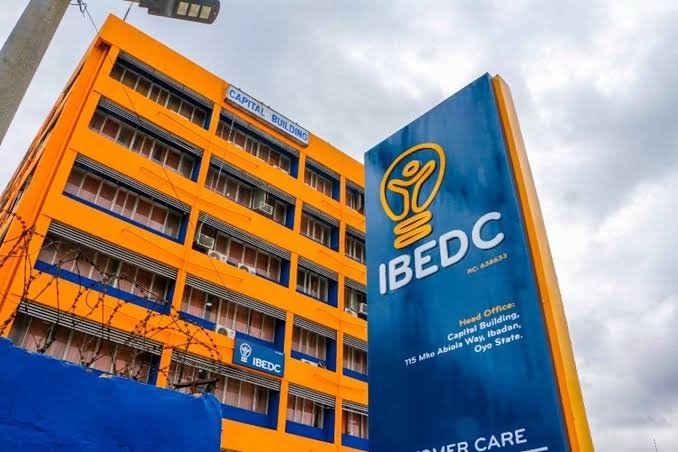
The residents, who contacted Reloaded News, warned that unreliable electricity supply by the Ibadan Electricity Distribution Company (IBEDC) could leave households increasingly exposed to dangerous temperatures and worsen the risks associated with the ongoing El Niño-related heat threat.
They appealed to the Nigerian Electricity Regulatory Commission (NERC) and Osun State Governor, Senator Ademola Adeleke, to urgently intervene, calling for improved electricity supply and measures to protect residents from the health dangers associated with prolonged exposure to extreme heat.
For the affected communities, the concern goes beyond the inconvenience of living without electricity. It is about the ability of families to keep their homes reasonably cool, get adequate rest and protect vulnerable members of their households during periods of intense heat.
31,400 additional deaths projected for Nigeria
The communities’ concerns come against the background of a warning by researchers at the University of Chicago’s Climate Impact Lab, which projected that Nigeria could record approximately 31,400 additional heat-related deaths between September 2026 and February 2027.
The projection formed part of a wider estimate of 451,000 additional heat-related deaths globally during the period covered by the researchers’ analysis.
Nigeria was identified as the country with the highest projected number of additional heat-related deaths in the report, ahead of Indonesia and Sudan.
The figure is a model-based projection, not a confirmed death toll or a declaration that the deaths are inevitable. It is intended to draw attention to the potential human cost of extreme temperatures and the need for preventive action.
The Climate Impact Lab has identified interventions such as heat-warning systems, cooling centres, hydration facilities, protection for outdoor workers and stronger health-system preparedness as measures that could help reduce heat-related mortality.
More recent updates to the Lab’s El Niño Heat Mortality Tracker have also revised its projections, reinforcing the need for governments and communities to take the threat seriously. <Cite refs={[“turn509945search0″,”turn509945search2″,”turn509945search11″,”turn509945search12”]}/>
Why electricity supply matters
For residents of Agunbelewo and Okinni, the relationship between electricity supply and public health is an immediate concern.
When electricity is unavailable for prolonged periods, households may be unable to operate electric fans and other cooling appliances. This can make it particularly difficult for people to sleep comfortably or find relief during periods of intense heat.
The situation may be especially challenging for older people, newborn babies, pregnant women, people living with certain health conditions and households without the financial means to acquire alternative power sources.
Beyond personal comfort, extreme heat can cause dehydration, heat exhaustion and heatstroke. The latter can become life-threatening without urgent medical attention.
The communities fear that where residents already face difficult living conditions and inadequate access to reliable electricity, the consequences of rising temperatures could become more severe.
Their argument is that dependable electricity should not be treated merely as a commercial service issue during an extreme heat threat; it is also an important part of household resilience and public welfare.
While electricity supply alone cannot prevent heat-related deaths, access to cooling facilities can help people reduce their exposure to dangerous temperatures.
Communities call on NERC to intervene
The residents are appealing to NERC, as the electricity sector regulator, to examine the electricity supply situation affecting Agunbelewo and Okinni and engage IBEDC on the challenges being experienced by consumers.
They want the commission to ensure that the distribution company addresses the concerns of affected communities and provides clear information about the factors responsible for the supply situation.
They are also seeking appropriate regulatory attention to service delivery, consumer protection and the obligations of the electricity distribution company to its customers.
The residents believe that the regulator should treat the matter with urgency, particularly as the country faces a growing public-health concern associated with extreme temperatures.
Appeal to Governor Adeleke for urgent attention
The communities have also appealed to Governor Ademola Adeleke to intervene by engaging the relevant electricity-sector authorities and IBEDC over the situation.
They want the Osun State Government to recognise the potential public-health implications of unreliable electricity supply and support practical measures that can reduce residents’ exposure to extreme heat.
Such measures could include engagement with the distribution company, public awareness campaigns on heat-related illnesses, improved access to drinking water and support for vulnerable residents.
The appeal is not simply for political attention but for practical action that can make a difference to households facing prolonged power interruptions.
IBEDC’s response important
As the company responsible for electricity distribution in the affected areas, IBEDC is expected to provide clarification on the supply challenges raised by the communities and explain what steps are being taken to improve service delivery.
Residents deserve clear communication about the condition of electricity infrastructure serving their areas, the reasons for interruptions and any plans for improvement.
Reloaded News considers it important that the concerns of consumers are heard and that the company is given an opportunity to respond.
A warning that deserves urgent attention
The concerns from Agunbelewo and Okinni should be understood within a wider national conversation about climate risks, public health, infrastructure and the protection of vulnerable citizens.
The projected heat-related mortality figures are warnings that call for preparation, not panic. But preparation must go beyond public announcements. It requires practical interventions that help people cope with dangerous temperatures.
For families in Agunbelewo and Okinni, reliable electricity could provide an important means of obtaining relief from the heat. The residents therefore want IBEDC, NERC and the Osun State Government to treat their concerns as an urgent matter.
The central question is whether the relevant authorities will act early enough to reduce avoidable risks before the effects of extreme heat become more severe.


