


By Reloaded News Desk
A chemical commonly used in gel nail polish has been prohibited in cosmetic products across the European Union since September 1, 2025, following its classification as a substance presumed to pose risks to human reproduction.
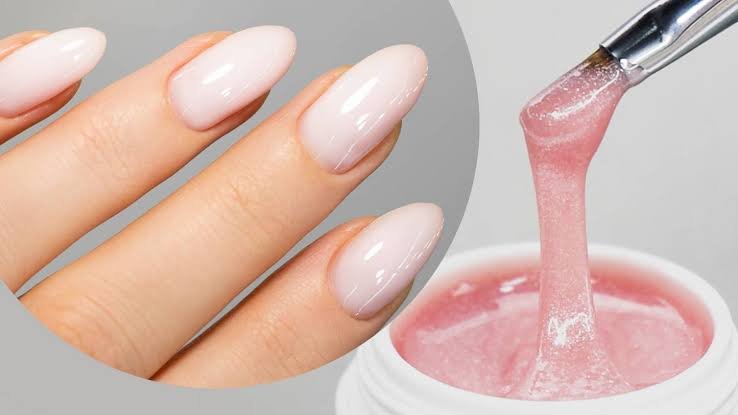
The chemical, known as trimethylbenzoyl diphenylphosphine oxide (TPO), is used in certain gel nail products to help them harden when exposed to ultraviolet (UV) or LED light.
The European Union introduced the prohibition under Commission Regulation (EU) 2025/877, adopted on May 12, 2025, after TPO was classified as a Category 1B reproductive toxicant under European chemicals legislation.
The restriction covers cosmetic products containing TPO, including professional artificial nail systems. There is no exemption for nail salons to continue using existing stock commercially under the EU rules.
Why Was TPO Banned?
TPO acts as a photoinitiator, a substance that helps trigger the chemical reaction through which gel nail polish hardens under UV or LED light.
Before the prohibition, European cosmetic regulations permitted its use in professional artificial nail systems at concentrations of up to five per cent.
The regulatory position changed after TPO received a Category 1B classification for reproductive toxicity. Under the EU’s cosmetics legislation, substances classified in this category are generally prohibited in cosmetic products unless a specific legal exception applies.
No request for an exception for TPO had been submitted before the new regulation was adopted. Consequently, the EU removed it from the list of permitted restricted-use ingredients and added it to the list of prohibited cosmetic substances.
The classification means the substance is presumed to be toxic to human reproduction under the applicable scientific and regulatory criteria.
What Does the Ban Mean for Nail Salons?
The prohibition means businesses operating within the EU cannot continue supplying or using cosmetic products containing TPO as part of their commercial activities.
The European Commission clarified that the restriction took effect on September 1, 2025, without a transitional period for selling or using existing stocks. Products containing the chemical cannot continue to be supplied commercially merely because they were purchased before the deadline.
Manufacturers have therefore had to reformulate affected products or replace them with compliant alternatives.
For nail technicians, checking ingredient lists has become an important part of product selection. TPO may appear under its full ingredient name, Trimethylbenzoyl Diphenylphosphine Oxide.
However, the prohibition does not cover every gel nail polish. It specifically concerns products containing the prohibited substance.
What Does This Mean for Nigeria?
Although the European Union’s decision does not automatically make TPO illegal in Nigeria, developments in other countries have already raised questions about the chemical’s presence in products reaching the Nigerian market.
On June 8, 2026, the National Agency for Food and Drug Administration and Control (NAFDAC) issued Public Alert No. 029/2026 concerning the recall of specified Impala brand gel nail polish products by Brazil’s health regulatory authority, ANVISA.
The affected products were recalled after TPO was identified in their formulation. NAFDAC advised importers, distributors, retailers and beauty salons to exercise caution and stop the importation, distribution, sale and use of the affected products. It also stated that it was monitoring the situation and would take appropriate regulatory action if the products were identified in Nigeria’s supply chain.
The development nevertheless highlights the importance of ingredient transparency, product traceability and effective monitoring of imported cosmetics.
For Nigerian consumers and nail technicians, the practical step is to check product ingredients, verify the status of affected brands and batches, and follow applicable NAFDAC safety alerts.
A Question of Consumer Safety
The European decision illustrates how chemical classifications can change the legal status of ingredients used in everyday beauty products.
TPO’s prohibition does not mean every gel manicure is dangerous, nor does it establish that everyone who has previously used a TPO-containing product has suffered harm. Equally, the absence of a Nigerian blanket ban would not, by itself, prove that every formulation is safe under all conditions of use.
As international cosmetic regulations evolve, manufacturers, importers, salon operators and regulators have a shared responsibility to ensure that beauty products meet the safety standards applicable in the markets where they are sold.
For Nigeria, the issue is not simply whether to follow Europe’s decision. It is whether consumers have sufficient information to make informed choices and whether regulators have the evidence needed to assess products entering the market.
Reloaded News — NEWS THAT INFORMS. MEDIA THAT TRANSFORMS.